

Frequently Asked Questions

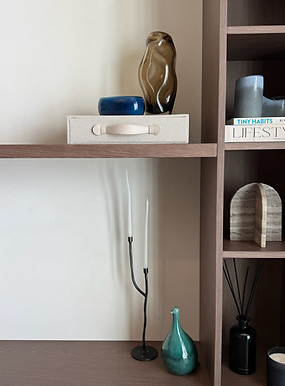
Choosing a finish is about more than colour. It is about how a material feels, how it responds to light, how it ages, and how it interacts with the environment around it.
At Safi Studio, we believe that understanding your materials leads to better design decisions. That is why we believe in educating before we sell, helping you understand the difference between lime, clay and mineral-based finishes, where they work best, and what makes them special.
Below, we answer some of the questions we hear most often. And if you are still unsure which finish is right for your space, we are always happy to help you find the right material for your project.
Why natural finishes?

What makes a finish "natural"? A natural finish is made primarily from materials derived from nature, rather than relying heavily on synthetic resins, plastics or other petrochemical-based ingredients. Lime, clay, minerals and natural pigments have been used in architecture for centuries not only for their beauty, but because of the way they interact with buildings and their surroundings. At Safi Studio, we select materials not only for how they look, but for their composition, performance, longevity and the way they contribute to a more considered interior.
Why choose natural finishes over conventional paint? Conventional paint is often designed to create a uniform, sealed surface. Natural finishes behave differently. Lime and clay finishes can allow surfaces to interact with moisture and air, while their natural variation creates depth and character that cannot easily be replicated by a perfectly uniform coating. For us, the appeal is not simply that a wall looks different. It is that the material itself becomes part of the architecture.
Are natural finishes better for your health? Some natural finishes can contribute to a healthier indoor environment through characteristics such as breathability, low or zero VOC formulations, moisture regulation and naturally occurring antibacterial properties. However, the benefits depend on the specific material and its composition. This is why we believe in looking beyond the label “natural” and understanding what a material is actually made of and how it behaves in a home.
Does natural mean less luxurious? Quite the opposite. Natural materials bring something that manufactured finishes often struggle to reproduce: depth, variation and tactility. The subtle movement of limewash, the softness of clay and the mineral character of decorative cement create surfaces that respond to changing light and become part of the atmosphere of a room. We believe luxury is not about perfection. It is about materiality, craftsmanship and choosing well.
Do natural finishes age well? Yes and we believe that is part of their beauty. Natural materials tend to develop character rather than simply becoming worn. Small variations, subtle changes in tone and the marks of everyday life can become part of the story of a space. Rather than designing interiors that need to look untouched forever, we believe in materials that can live, age and evolve beautifully.

Why Bauwerk limewash?

What is Bauwerk limewash? Bauwerk limewash is a mineral-based paint made from calcium carbonate and natural pigments. Unlike conventional plastic-based paints, it is non-film-forming, allowing the wall to remain breathable. It creates a soft, matte surface with natural tonal variation and movement as light changes throughout the day.
Where can Bauwerk limewash be used? Bauwerk limewash can be used on a wide range of interior and exterior surfaces, including plaster, plasterboard, lime render, cement render, stone, brick, concrete and other suitable masonry surfaces. Previously painted or sealed surfaces can also be limewashed when correctly prepared. It works beautifully throughout living spaces, bedrooms, hallways, dining areas and other interior spaces, as well as on suitable exterior masonry.
Can I use limewash in a bathroom? Yes, but with some important considerations. Bauwerk limewash is suitable for humid bathroom environments and can be used on bathroom walls and ceilings. However, it is water-resistant, not waterproof, so it should not be used inside a shower or immediately adjacent to a bath where it will receive prolonged direct water exposure. For areas around sinks and other splash zones, we recommend incorporating a suitable splashback or another water-resistant material like the decorative cement finishes of Materia Matters.
Can limewash be used outside? Yes. Bauwerk limewash is particularly well suited to suitable raw masonry exteriors, where it can be absorbed into the surface and maintain the wall's permeability.
How long does limewash application take? Most projects can be completed within a few days, depending on the size of the space and the condition of the existing walls. Your exact project timeline will be confirmed after we have received all the details.
What is the application process for limewash? The process generally consists of: 1. Assessing the surface We determine what the existing wall is made from and whether it is suitable for limewash. 2. Preparing the surface Depending on the substrate, this may include repairs, sanding, primer or Bauwerk Prep Coat. 3. Applying the limewash The paint is applied with a specialist natural-fibre limewash brush using loose, expressive strokes. 4. Building the finish Multiple thin coats create the characteristic depth, movement and tonal variation of limewash. 5. Allowing the surface to dry and settle The colour changes as it dries, gradually revealing the final character of the finish. Bauwerk specifically recommends a natural-fibre brush and at least 1–2 hours between coats.
Will every limewashed wall look the same? No, and that is part of the beauty. The final appearance depends on the colour, substrate, porosity, application technique, number of coats and the light within the space. Even the same colour can appear differently from one room to another. Natural finishes are intentionally not perfectly uniform.
Can limewash be repaired or touched up? Yes. Like any natural surface, limewash may show signs of life over time, particularly in high-traffic areas. One of its advantages is that it can be refreshed with another light coat rather than requiring the entire surface to be replaced.
Why Materia Matters decorative cement finishes?

What are Materia Matters decorative cement finishes? Materia Matters decorative cement finishes are contemporary mineral surfaces designed to bring the character of cement and other natural materials into modern interiors and architecture. They create refined, seamless surfaces with depth and texture, offering an alternative to conventional tiles, paint and other surface finishes.
Where can decorative cement finishes be used? Depending on the combination of the specific selected finish and surface you'd like to have it applied, the decorative cement finishes from Materia Matters can be used across a wide range of interior and exterior applications. It can be suitable for walls, floors and other architectural surfaces, making it particularly versatile for projects where a continuous, minimalist material language is desired.
Can decorative cement be used in bathrooms and showers? Yes, most of the decorative cement finishes from the Materia Matters selection can be used in bathrooms and wet areas when correctly prepared and finished. Unlike limewash and clay, decorative cement can be suitable for areas exposed to direct water when the complete application system is designed for that purpose. Because wet areas require careful preparation and detailing, we assess each application individually and recommend the appropriate finish for the space.
Can decorative cement be used in kitchens? Yes. Decorative cement can be used on suitable kitchen surfaces, particularly where a seamless and contemporary appearance is desired. Areas exposed to significant water, heat, grease or heavy use require the appropriate and protective finish which we will guide you through the options.
Is decorative cement suitable for exterior applications? Most Materia Matters finishes can be suitable for exterior use, depending on the specific product, substrate and environmental conditions. Exterior projects require careful consideration of exposure to heat, moisture and weathering, so we assess each application individually.
Is decorative cement durable and easy to maintain? Decorative cement in general provides a durable, hard-wearing surface when correctly specified which finish to use where and when professionally applied. Its maintenance requirements depend on the selected location and protective finish. Our team of experts can advice you also on how to take care of the applied surfaces and what products to use to keep the surfaces clean and in the best state for the longest period of time.
How is decorative cement applied? Every project begins with assessing the substrate and determining the appropriate preparation. The selected material is then applied in layers by our experienced team of professionals before the final finishing and protective stages are completed. Proper preparation and craftsmanship are essential to achieve the intended result.
Can decorative cement be combined with other finishes? Absolutely. Decorative cement can provide a durable, architectural surface in high-use areas, while limewash or clay can introduce softness, warmth and movement elsewhere. Combining materials allows each finish to be selected according to how a space is used and experienced.
Why Studio LOHO clay & lime plaster
finishes?

What are LOHO wall finishes? Studio LOHO offers three natural wall-material ranges: Clay Finish, Lime Finish and Wall Skin. Each brings a different combination of texture, performance and character. Clay offers a soft, tactile and moisture-regulating surface; Lime provides the natural strength, durability and versatility of limestone; while Wall Skin offers a more durable, scratch-resistant finish for surfaces that experience greater everyday wear.
What is the difference between LOHO Clay Finish and Lime Finish? Both are natural mineral-based wall finishes, but they have distinct characteristics. Clay is a softer, non-hardening and reversible material that helps regulate moisture and creates warm, tactile surfaces. Lime is made from limestone and offers greater strength and durability, with finishes ranging from smooth and refined to raw and highly textured.
Where can LOHO finishes be used? The different LOHO finishes are designed for different applications. Clay Finish is intended for interior walls and ceilings, while Lime Finish offers options for interiors and, with the Raw Outdoor finish, exterior facades. Wall Skin can be used across a wider range of interior surfaces, particularly where greater durability and scratch resistance are required. The specific finish should always be selected according to the surface and intended use.
Can LOHO finishes be used in bathrooms or showers? This depends on the specific finish. Clay Finish should not be exposed to direct or prolonged water. For Lime Finish, Fine is the only LOHO finish specifically suitable for shower walls, creating a smooth, water-resistant surface when correctly applied. Other lime finishes are better suited to areas without direct water exposure. Wall Skin can be considered for appropriate bathroom surfaces depending on the specific application.
Is LOHO Lime Finish suitable for exterior applications? Yes, LOHO offers a specific Raw Outdoor lime finish made from natural air lime that can be applied to both interior walls and exterior facades. Its raw texture and natural character are designed to create continuity between indoor and outdoor spaces. Exterior applications require the appropriate substrate and application system.
What makes LOHO Clay Finish special? Clay is a soft, non-hardening and reversible natural material. It can help regulate moisture and support a comfortable indoor climate while creating warm, tactile surfaces. LOHO's Clay Finish is fully recyclable and requires no water during production, making it a considered alternative to conventional plasters.
What makes LOHO Lime Finish special? LOHO Lime Finish is made from limestone and combines natural beauty with strength, durability and breathability. It is available in Fine, Medium, Raw and Raw Outdoor variations, offering everything from smoother, refined surfaces to more expressive and tactile textures. The different finishes allow lime to work across a broad range of architectural styles and applications.
What makes LOHO Wall Skin special? Wall Skin sits between plaster and paint, offering a versatile natural finish with different levels of texture and greater scratch resistance. It can be particularly useful in areas where walls experience more everyday wear. The Raw version, for example, is designed for a wider range of surfaces and offers a larger grain and thicker layering for greater creative freedom.
How durable are LOHO finishes? Durability depends on the specific finish selected. Lime is naturally strong and durable, while Wall Skin is specifically designed to provide scratch resistance and withstand higher-traffic applications. Clay is softer by nature, but its reversible qualities mean that damaged areas can be repaired rather than requiring the entire surface to be replaced. Our team of experts can guide you through the options and help you select the best finish for your project.
Does LOHO have any other decorative pieces to uplift my home? Yes, Studio LOHO also has a range of handmade clay sinks and bathtubs as well as stand alone shower units that will make your bathroom stand out. To find out about the possibilities, please get in touch so we can guide you through the options.